Thrown Out With My Newborn: Six Weeks to Take Back My Life

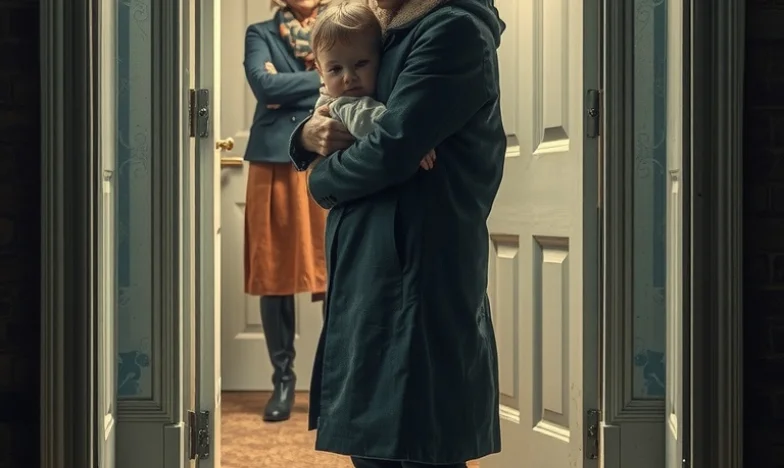
“You can’t do this to me, Mum! Please—he’s only six days old!” My voice was barely more than a croak, my throat raw from hours of screaming in labour and now, screaming in desperation. My mother’s face was stone, her lips pressed into a thin, unforgiving line. Behind her, my stepfather hovered, arms folded, eyes cold. The front door stood open, the November wind biting at my ankles. I clutched Jamie tighter, his tiny body swaddled in the hospital blanket, his face scrunched in confusion at the sudden chill.
“Out, Emily. I won’t have your mess in my house. You made your bed, now lie in it,” Mum spat, her voice trembling with a fury I’d never heard before. I wanted to scream, to beg, but the words caught in my throat. Eighteen hours of labour had stolen my strength, my dignity, and almost my soul, but my eyes still worked. I saw the disgust on her face, the way she looked at Jamie as if he were a stain on her carpet.
I stumbled down the steps, my hospital bag banging against my leg, my phone dead, my purse empty. The street was dark, the rain relentless. I walked, numb, until my legs gave out and I collapsed on a bench outside the corner shop. Jamie whimpered, and I pressed my lips to his forehead, promising him through tears that I’d never let anyone hurt him again.
Six weeks. That’s how long it took for me to claw my way back. Six weeks of sleeping on a friend’s sofa, of feeding Jamie formula from the food bank, of staring at the ceiling at 3am wondering how I’d ended up here. Six weeks of replaying that night, of hearing Mum’s words echo in my head: “You made your bed, now lie in it.”
But I wasn’t the only one who’d made mistakes. I’d trusted the wrong people, yes, but they’d betrayed me in ways I couldn’t forgive. My stepfather had always resented me, but I never thought Mum would choose him over me—over her own grandson. The final straw was when I found out they’d sold my things: my laptop, my jewellery, even Jamie’s cot. All gone, to pay off my stepfather’s gambling debts.
I stared at the peeling wallpaper in my friend’s flat, Jamie asleep on my chest, and felt something harden inside me. I wasn’t going to beg anymore. I was going to take back what was mine—and make sure they never forgot what they’d done.
The day I returned, the sky was the same dull grey as the day I’d left. I wore my best coat, hair pulled back, face set. Jamie was strapped to my chest, wide-eyed and silent. I rang the bell, heart pounding. Mum answered, surprise flickering across her face before she slammed the door in my face. I knocked again, harder. “I’m not leaving, Mum. Not until you give me back what’s mine.”
She opened the door a crack, her voice low and venomous. “You’ve got some nerve coming back here.”
“I want my things. And I want you to admit what you did.”
She laughed, a bitter, ugly sound. “You’re not getting anything. You’re lucky we let you stay as long as we did.”
I felt Jamie stir, his tiny fist pressing against my chest. “You sold Jamie’s cot. You sold my laptop. You stole from your own daughter.”
My stepfather appeared behind her, smirking. “You were never grateful. Always thought you were better than us.”
I took a deep breath, steadying myself. “I’ve spoken to the police. They know about the theft. They know about the gambling. If you don’t give me back what’s left, I’ll press charges.”
Mum’s face crumpled, fear flickering in her eyes. “You wouldn’t.”
“Try me.”
There was a long, tense silence. Then, slowly, she opened the door wider. “Fine. Take what you want. But don’t ever come back.”
I walked through the house, every step a reminder of what I’d lost. My room was bare, the walls stripped of posters, the bed gone. I found a box in the cupboard with a few of Jamie’s clothes, a photo album, and a necklace my dad had given me before he died. I took them, my hands shaking. Mum watched from the doorway, arms crossed, eyes red.
“You think you’re better than us now, don’t you?” she hissed.
I turned to face her, Jamie’s head nestled against my chin. “No. I just know I deserve better.”
As I left, my stepfather called after me, “You’ll regret this, Emily. No one else will have you.”
But I didn’t look back. I walked out into the rain, Jamie warm against me, and felt lighter than I had in weeks. I wasn’t the broken girl they’d thrown out. I was a mother, and I was stronger than they’d ever imagined.
In the weeks that followed, I rebuilt my life piece by piece. I found a job at the local café, the owner letting me bring Jamie in his pram. I saved every penny, found a tiny bedsit, and started night classes online. It wasn’t easy—some nights I cried until I couldn’t breathe, the loneliness pressing in like a weight. But every morning, Jamie’s smile reminded me why I kept going.
Sometimes, I’d see Mum in the supermarket, her face pinched, her eyes darting away from mine. Once, she tried to approach me, but I walked past her, head held high. I heard whispers from neighbours, saw the pity in their eyes, but I didn’t care. I’d survived. I’d won.
Now, as I watch Jamie sleep, his tiny chest rising and falling, I wonder: How many others have been thrown out, told they’re not enough, forced to start again with nothing? How many have found the strength to fight back? Would you have done the same?