Why I No Longer Trust My Parents: A Story of Home, Family, and Wounded Pride

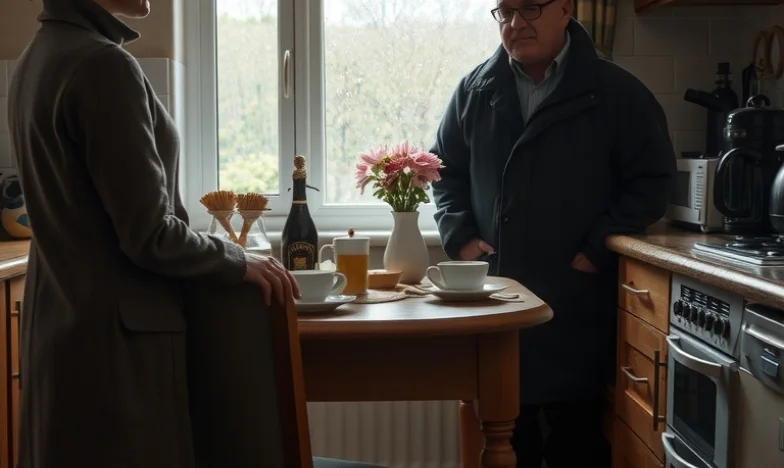
“You’re not serious, Mum. You can’t be.” My voice trembled, echoing off the kitchen tiles as I stared at my mother, her lips pressed into a thin, stubborn line. Dad sat at the table, eyes fixed on his mug of tea, refusing to meet my gaze. The clock ticked loudly, marking the seconds between my hope and their silence.
Peter squeezed my hand under the table, his thumb tracing circles on my palm. He’d always been the calm one, but even he looked pale. We’d rehearsed this conversation for weeks, convinced my parents would help us with the deposit for our first home. After all, they’d always said family comes first. But now, with the mortgage broker’s deadline looming, I felt the ground shift beneath me.
Mum finally spoke, her voice clipped. “Lucy, we can’t just hand over our savings. We’ve worked too hard for too long. You and Peter need to stand on your own two feet.”
I felt my cheeks burn. “But you helped James when he bought his flat in Bristol. You gave him ten grand!”
Dad’s knuckles whitened around his mug. “That was different. He was on his own. You’ve got Peter, and you both have jobs. It’s not our responsibility.”
I wanted to scream. Instead, I bit my lip, tasting blood. “So, because I’m not alone, I don’t deserve your help?”
Peter cleared his throat, trying to defuse the tension. “We’re not asking for a handout. Just a loan. We’ll pay it back, every penny.”
Mum shook her head. “We’re not a bank, Peter. And with the way things are going—cost of living, energy bills—we can’t risk it. I’m sorry, but that’s final.”
I couldn’t breathe. The kitchen, once filled with Sunday roast aromas and laughter, now felt cold and foreign. I stood up abruptly, my chair scraping the floor. “Fine. I get it. Family only matters when it’s convenient.”
We left in silence, the front door closing behind us with a dull thud. Outside, the drizzle had turned to rain, soaking through my coat as we walked to Peter’s battered Fiesta. I stared at the house, the windows glowing warm behind the curtains, and wondered when it had stopped feeling like home.
The drive back to our rented flat in Croydon was silent. Peter kept glancing at me, but I stared out the window, watching the city lights blur in the rain. My phone buzzed with a message from my brother, James: “Mum says you’re upset. Call me?” I ignored it.
That night, I lay awake, replaying the conversation over and over. I thought about the years I’d spent trying to make my parents proud—good grades, a steady job at the council, never getting into trouble. I’d always been the reliable one, the daughter who never asked for much. And now, when I needed them most, they’d turned their backs.
Peter tried to comfort me. “We’ll figure something out, Luce. Maybe we can ask my mum?”
I shook my head. His mum lived in a council flat in Peckham, barely scraping by on her pension. “It’s not fair. Why does James get help and I don’t?”
Peter sighed. “Maybe your parents are just scared. Things are tough for everyone.”
But I couldn’t let it go. The next morning, I called James. He sounded groggy, probably hungover. “Look, Luce, I know you’re upset, but Mum and Dad are just… old-fashioned. They think you should be able to do it on your own.”
I snapped. “Easy for you to say, you got their help. Why is it different for me?”
He hesitated. “I dunno. Maybe because I’m the eldest? Or because I was single? Don’t take it personally.”
But how could I not? Every family dinner, every birthday, every Christmas—suddenly, they all felt like lies. I started avoiding my parents’ calls, making excuses not to visit. Peter worried about me, but I couldn’t shake the feeling of betrayal.
Work became my refuge. I threw myself into council paperwork, staying late to avoid going home. My manager, Mrs. Patel, noticed. “Lucy, you look exhausted. Everything alright?”
I forced a smile. “Just house-hunting stress.”
She nodded sympathetically. “It’s impossible these days. My daughter’s in the same boat. Maybe you should talk to her?”
I thanked her, but I knew it wouldn’t help. The market was brutal—rents rising, mortgages out of reach. Every viewing ended in disappointment: damp walls, mouldy bathrooms, landlords who barely looked up from their phones. Peter tried to stay positive, but I saw the worry in his eyes.
One evening, after yet another failed viewing, Peter broke the silence. “Maybe we should just give up. Save for a few more years.”
I snapped. “And what? Keep throwing money away on rent? Watch everyone else move on while we’re stuck?”
He flinched. “I’m trying, Lucy. I’m doing my best.”
I burst into tears, the frustration and anger boiling over. “I know. I’m sorry. I just… I thought my family would be there for me.”
He hugged me, and for a moment, I let myself cry into his shoulder. But the bitterness lingered.
Weeks passed. My parents sent texts—“Hope you’re well,” “Let us know if you need anything”—but I couldn’t bring myself to reply. I felt like a stranger in my own family. Even James noticed. “You’re being dramatic, Luce. Just get over it.”
But it wasn’t just about the money. It was about trust. About feeling like I mattered as much as my brother. About the promises parents make, spoken or unspoken.
One Sunday, Peter suggested we visit his mum. “She’s making shepherd’s pie. She’d love to see you.”
I agreed, if only to escape my own thoughts. His mum, Jean, greeted us with a warm hug and a kitchen full of steam. “You two look knackered. Sit down, I’ll get you a cuppa.”
Over dinner, she listened as we told her about the house-hunting, the rejections, the disappointment. She patted my hand. “I wish I could help, love. But all I’ve got is this flat and my pension.”
I smiled weakly. “It’s not your job, Jean. I just thought my parents would be different.”
She nodded. “Families are funny things. Sometimes they let you down. But you’ve got each other, and that’s what matters.”
Her words stuck with me. That night, I lay awake, thinking about what family really meant. Was it just blood, or was it the people who stood by you when things got tough?
A few days later, I got a letter from my parents. Not an email, not a text—a proper letter, in my mum’s neat handwriting. I hesitated before opening it.
“Dear Lucy,
We’re sorry things have been so difficult. We never meant to hurt you. We love you and Peter very much, and we’re proud of you both. We know it’s not the same as helping with money, but we want you to know we’re here for you in any way we can. Please don’t shut us out.
Love, Mum and Dad.”
I read it over and over, tears blurring the words. I wanted to forgive them, to let go of the hurt. But something inside me had changed. I wasn’t sure I could ever trust them the same way again.
Peter found me crying and held me close. “What are you going to do?”
I shook my head. “I don’t know. I just… I wish things were different.”
Now, months later, Peter and I are still renting, still saving, still dreaming of a home of our own. My relationship with my parents is strained, polite but distant. Sometimes I wonder if I’m being stubborn, if I should just let it go. But every time I see James posting photos of his new kitchen, bought with my parents’ help, the old wound aches.
Maybe one day I’ll forgive them. Maybe I’ll understand their reasons. But for now, I can’t help but ask myself: What does family really mean, if not being there when it matters most? Would you forgive them, or would you feel the same as I do?