When Mark Left Me for a Younger Woman: My First Breath of Freedom

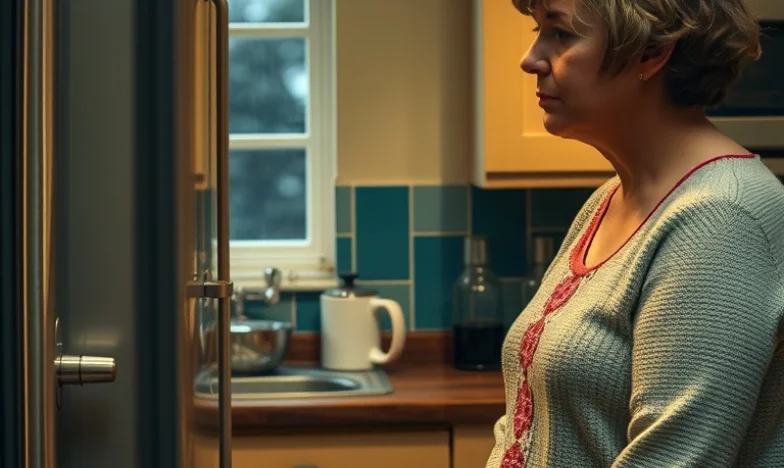
“You’re joking, right?” I heard my own voice echo off the kitchen tiles, brittle and sharp, as Mark stood by the fridge, his hands trembling around a mug of tea. The clock above the cooker ticked louder than ever, slicing through the silence that had settled between us for months. He wouldn’t meet my eyes. Instead, he stared at the floor, his lips pressed in a thin, guilty line. “I’m sorry, Helen. I just… I can’t do this anymore. I’ve met someone.”
The words hung in the air, heavy and sour. Thirty years of marriage, unravelled in a single sentence. I felt the world tilt beneath my feet, but I didn’t cry. Not then. Instead, I watched him, this man I’d built a life with, and wondered when he’d become a stranger. “Someone?” I repeated, my voice barely above a whisper. “How old is she?”
He flinched, and that was answer enough. I let out a bitter laugh, the sound foreign in my own mouth. “Of course. Of course it’s someone younger.”
He tried to explain, to justify, but I tuned him out. My mind raced through memories: our wedding in that draughty church in Kent, the birth of our twins, Sunday roasts with his parents, holidays in Cornwall. All of it felt suddenly distant, like scenes from someone else’s life. I wanted to scream, to throw something, but instead I stood there, numb, as he packed a bag and left.
The house felt cavernous without him. The silence was oppressive, broken only by the hum of the fridge and the distant sound of traffic outside. I wandered from room to room, touching the backs of chairs, the worn banister, the faded photographs on the mantelpiece. Everywhere I looked, there were reminders of him, of us. But beneath the ache, there was something else—a flicker of relief, so faint I almost missed it.
The first night alone was the hardest. I lay in our bed, staring at the ceiling, listening to the rain tap against the window. I thought about calling my sister, but I couldn’t bear the pity in her voice. Instead, I let the tears come, silent and hot, until I drifted into a restless sleep.
The next morning, I woke to sunlight streaming through the curtains. For the first time in years, I didn’t have to make anyone breakfast or iron anyone’s shirt. I sat at the kitchen table with a cup of tea, staring out at the garden. The roses needed pruning, and the lawn was overgrown. Mark had always taken care of that. I realised, with a jolt, that it was all mine now—the house, the garden, the quiet.
My daughter, Emily, called that afternoon. “Mum, are you alright?” Her voice was tight, brittle with anger. “I can’t believe Dad would do this. With someone my age, for God’s sake.”
I tried to reassure her, but she wouldn’t be calmed. “You don’t have to pretend you’re okay, Mum. You can come stay with us for a bit, if you want.”
I almost said yes. The thought of escaping the empty house was tempting. But something stopped me. “Thank you, love, but I think I need to be here. I need to figure out what comes next.”
After we hung up, I sat in the garden, pulling weeds with my bare hands. The earth was cool and damp, grounding me. I thought about all the things I’d given up over the years—my job at the library, my painting, my friends from university. I’d let my world shrink to fit Mark’s, and now he was gone, I didn’t know who I was anymore.
The days blurred together. I filled them with small tasks: cleaning out cupboards, sorting through old clothes, repainting the spare room. Each drawer I emptied, each wall I scrubbed, felt like shedding a layer of skin. I found a box of watercolours in the attic, dusty but still good. On a whim, I set up an easel in the conservatory and began to paint. At first, my hands shook, but soon the colours flowed, bright and wild. I lost myself in it, the hours slipping by unnoticed.
One evening, Emily and her brother, Tom, came round for dinner. The air was tense, thick with unspoken questions. Tom barely touched his food. “Have you heard from Dad?” he asked, not meeting my eyes.
I shook my head. “He sent a text. Said he’d be in touch about the house.”
Emily snorted. “He’s a coward. I hope she’s worth it.”
I wanted to defend him, to say that people change, that marriages end, but the words caught in my throat. Instead, I reached for her hand. “We’ll be alright. All of us.”
After they left, I sat in the quiet, feeling the weight of their anger. I knew they blamed Mark, but I also knew they blamed me, in a way. For not seeing it coming, for not fighting harder. I wondered if I should have tried to save us, if I’d missed some crucial sign. But deep down, I knew the truth: we’d been drifting apart for years, held together by habit and fear.
A week later, Mark called. His voice was hesitant, unfamiliar. “Helen, I’m sorry. I never meant to hurt you.”
I closed my eyes, listening to the sound of his breathing. “Are you happy?”
He hesitated. “I think so. It’s different.”
I nodded, even though he couldn’t see me. “Good. I hope you find what you’re looking for.”
After we hung up, I felt lighter. The anger had burned away, leaving only a strange, tentative hope. For the first time, I allowed myself to imagine a future without him—a future that belonged to me.
I started going for walks in the park, breathing in the sharp, cold air. I joined a book club at the local library, where I met women who’d been through the same thing. We shared stories over cups of tea, laughing and crying in equal measure. I realised I wasn’t alone. There were so many of us, starting over, piecing together new lives from the wreckage of the old.
One afternoon, I bumped into an old friend from university, Sarah. She looked at me with surprise. “Helen! It’s been years. How are you?”
I hesitated, then told her the truth. She hugged me, fierce and warm. “You’re stronger than you think. Come to my art class next week. It’ll do you good.”
I went, nervous and self-conscious, but soon I was lost in the swirl of paint and laughter. I remembered who I used to be, before marriage and children and mortgages. I remembered how it felt to be seen, to be heard.
The months passed. The house grew less empty, more mine. I filled it with music and flowers and the smell of fresh bread. I painted the kitchen yellow, bright and cheerful. I started volunteering at the community centre, helping women who’d lost their way. Each day, I felt a little braver, a little more alive.
Mark called sometimes, awkward and apologetic. He wanted to talk about the house, the finances, the children. I listened, but I no longer felt the old ache. He was part of my past, but he didn’t define my future.
Emily struggled the most. She couldn’t forgive her father, couldn’t understand how I could move on so easily. One night, she turned up at my door, tears streaming down her face. “How can you be so calm, Mum? Aren’t you angry?”
I pulled her into my arms. “I was. But anger eats you up, love. I don’t want to spend the rest of my life looking back. I want to see what’s ahead.”
She sobbed against my shoulder, and I held her until she slept. In the morning, we made pancakes and talked about everything but Mark. It felt like a new beginning.
Sometimes, late at night, I still miss him. I miss the comfort of his presence, the way he used to make me laugh. But I don’t miss the loneliness I felt beside him, the sense of shrinking to fit his life. I’m learning to be whole on my own.
Last week, I stood in the garden, watching the sun set over the rooftops. The roses were blooming, wild and untamed. I felt the cool grass beneath my feet, the air sweet with the promise of summer. For the first time in years, I felt free.
I wonder, sometimes, if Mark ever feels the same. If he lies awake at night, thinking about what he left behind. But I don’t dwell on it. My life is mine now, messy and imperfect and utterly my own.
Do we ever really know ourselves until we’re forced to start again? Or is it only in the letting go that we finally learn how to breathe?